Samsara Materials is decarbonizing construction by turning mixed plastic waste into high-performance, cement-free composites. Our goal is simple: reduce global landfill waste and replace carbon-intensive materials with circular solutions.
Despite global efforts to reduce single-use plastics and reach Net Zero, plastic waste is growing and recycling rates remain stagnant. Furthermore, the construction industry is still years away from moving past Ordinary Portland Cement (OPC), which accounts for a massive portion of global emissions. Samsara's EcoBrik—powered by our Sustainable Plastic Waste Composite (SPWC)—offers a dual-impact solution to tackle the plastic crisis and cement dependence at the same time.
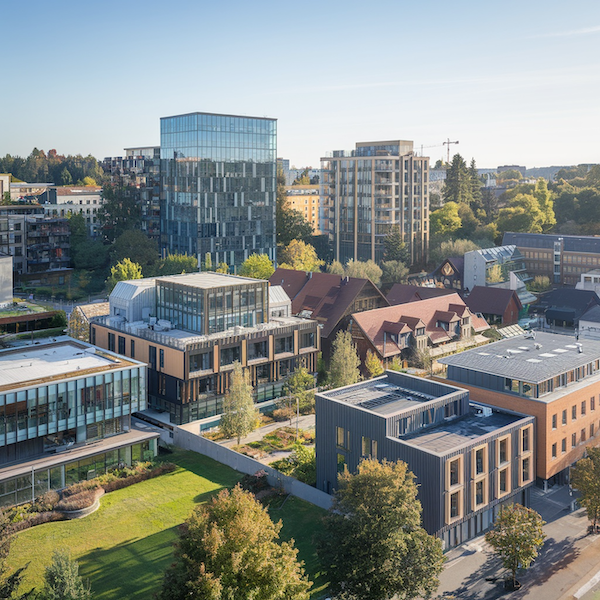
The Plastic Waste Challenge
Since the 1950s, only a small fraction of global plastic has ever been recycled. Most ends up in landfills, incinerators, or the environment.
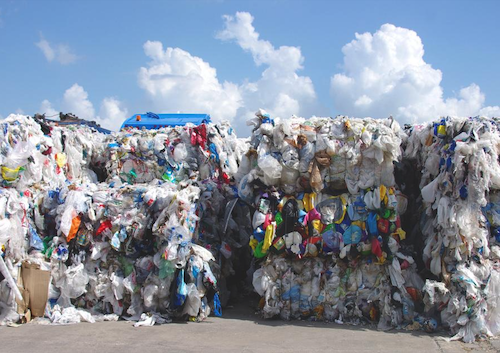
Landfills filling fast
Billions of tonnes of plastic take centuries to break down while creating leachate and municipal liability.
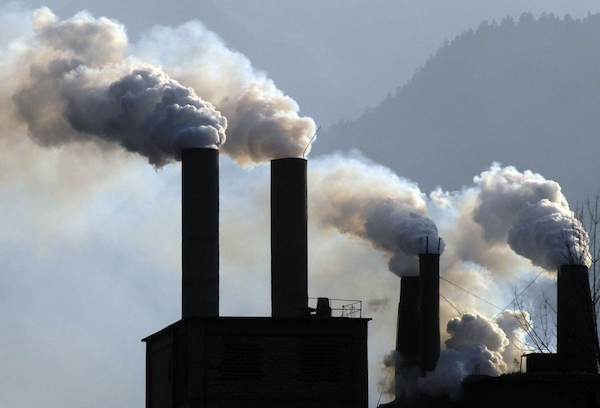
Incineration is not the answer
Waste-to-energy reduces volume but releases greenhouse gases and fails to create reusable construction materials.
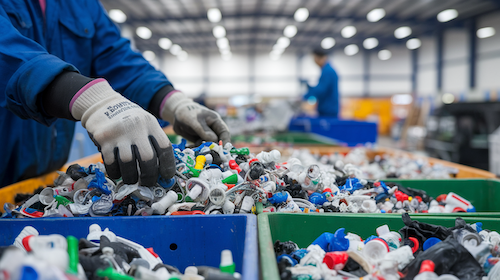
Current recycling is inefficient
Mechanical recycling rates reach only 10% in regions like BC, showing the need for scalable green upcycling.
Our Story
Samsara Materials was founded to solve one of the most pressing environmental crises: the "unrecyclable" plastic problem. Traditional recycling systems are limited to clean, high-grade plastic streams, sending the bulk of global waste—dirty, mixed, and flexible plastics—to landfills or incineration. Samsara's technology disrupts this cycle, providing a high-performance outlet for mixed plastic waste that traditional systems simply cannot process.
Our True North
Samsara envisions a future where waste is repurposed as an abundant resource, enabling a circular economy that reduces demand for natural materials and meaningfully cuts carbon emissions.
The Better Buildings Initiative
The Better Buildings trend is guiding municipal and institutional construction toward sustainability, climate resilience, and long-term community benefit.
Our vision is perfectly aligned with public-sector owners that increasingly prioritize materials and systems supporting reduced lifecycle carbon emissions, increased recycled content, and decreased reliance on virgin natural resources—key objectives embedded within LEED, Envision, and Buy Clean procurement frameworks.
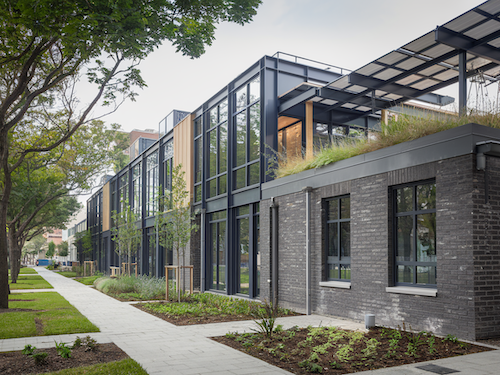
Introducing EcoBrik
EcoBrik: High-Performance Composite for Sustainable Infrastructure
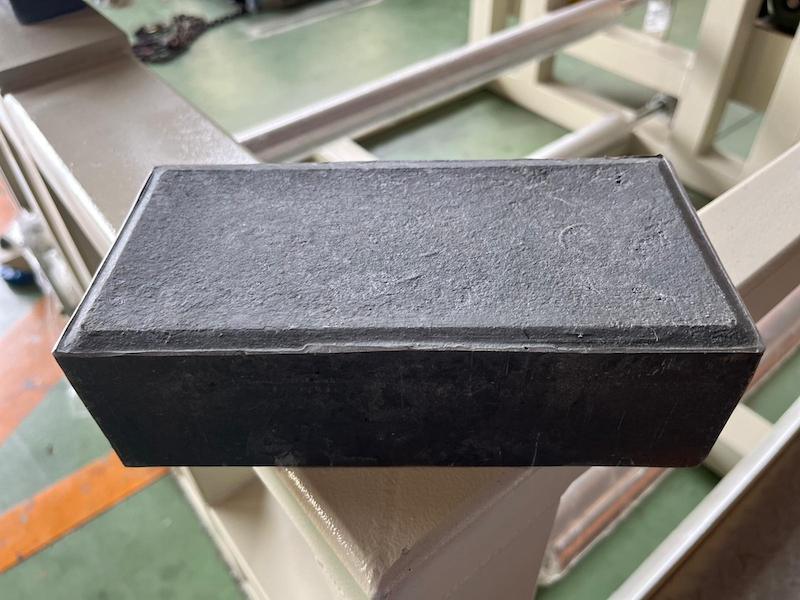
Product Utility and Performance
EcoBrik functions as a high-performance, direct substitute for traditional masonry, utilizing the SPWC platform to deliver chemical resistance and structural durability for both interior and exterior construction.
Technical Engineering and Compliance
The engineering of EcoBrik is rooted in meeting global sustainability frameworks and rigorous performance standards, ensuring high recycled content does not compromise the durability required for public infrastructure.
Scalability and Modular Evolution
Achieves scalability through a modular technology base that can be reconfigured to produce various building materials beyond bricks, allowing the product line to adapt to architectural trends.
Scalability & Adaptability
The SPWC Platform: Decentralized Manufacturing for a Circular Economy
Redefining Construction Practices
Our project is focused on developing durable, energy-efficient alternatives to traditional materials, promoting a circular economy and helping to redefine construction practices. We are advancing standards for sustainability, resource efficiency, and the creation of healthier, more resilient communities.
Technical Engineering and Compliance
Samsara's Sustainable Plastic Waste Composite (SPWC) platform supports multiple construction end-market applications through configurable final-stage modules, enabling a capital-efficient licensing model.
Scalability and Modular Evolution
The modular design of the Green Upcycling Process (GUP) allows licensees to deploy production capacity with modest upfront CAPEX. The modular design allows "Just-In-Time" scale-up or product line expansion in response to local market demand and regulatory requirements.
Why EcoBrik?
Cement-Free Production
No cement, no water, no curing—EcoBrik is produced using heat-compression of plastic waste and mineral aggregates, resulting in a verified carbon-negative manufacturing process (net reduction of 1.86 kg CO₂e per unit).
Superior Strength
Despite weighing 50% less than standard concrete, its compressive strength (over 48 MPa) exceeds most concrete bricks used in paving and cladding. This 2:1 mass displacement advantage drastically cuts structural and logistical burdens.
Circular Economy
Accepts mixed, unwashed, multilayer plastic waste that MRFs cannot recycle. Keeps thousands of tonnes of plastic out of landfills and incinerators annually.
When you choose EcoBrik, you're not just picking a building product – you're actively supporting a more sustainable future.
Ready to Learn More?
Explore our technology, see our modular plants, or get in touch to discuss partnership opportunities.